Government Jobs After Pharmacy in India 2026
A B.Pharm or D.Pharm degree opens the door to stable, well-paying government positions in India — from Drug Inspector to Railway Pharmacist — with no private-sector uncertainty and pensionable service benefits.
Pharmacy graduates in India enjoy a significant advantage that few professional streams match: a dedicated track of government recruitment across central and state levels. Whether you hold a B.Pharm from Bangalore or a D.Pharm qualification, there are government roles with structured pay scales, job security, and growth. This guide covers every major government pharmacy job opportunity available in 2026 — eligibility, salary, recruitment process, and exam tips.
Get the 2026-27 Admission Brochure
Fees, eligibility, placement details, campus photos — all in one PDF. WhatsApp us to get it instantly.
Preparing for a government pharmacy career? Start with the right foundation — apply to VSCP today.
Why Choose Government Jobs After Pharmacy?
Government pharmacy jobs offer a combination of benefits that private-sector roles rarely match:
- ✓ Defined pay scales under the 7th Pay Commission
- ✓ Job security with pensionable service (NPS/OPS depending on the cadre)
- ✓ Medical, housing, and travel allowances
- ✓ Structured promotions tied to performance and seniority
- ✓ Socially meaningful work in public health, drug regulation, and defence
The eligibility for most roles begins at B.Pharm or D.Pharm level, making these positions accessible to students right after completing their pharmacy studies in Bangalore.
1. Drug Inspector (Central & State)
The Drug Inspector is one of the most coveted government jobs after pharmacy. Drug Inspectors enforce the Drugs and Cosmetics Act, conduct inspections of pharmacies, manufacturers, and distributors, and ensure drug quality compliance.
Eligibility: B.Pharm from a PCI-approved institution (such as a PCI-approved pharmacy college in Bangalore) plus at least 18 months of practical experience in some states.
Recruitment Authority: Union Public Service Commission (UPSC) for Central Drugs Standard Control Organisation (CDSCO); respective State Public Service Commissions (PSCs) for state-level posts.
Selection Process: Written exam (General Studies + Pharmaceutical Sciences) followed by a personality test / interview. Some states hold a direct written test.
Pay Scale (2026 estimate): Rs 50,000 — Rs 1,20,000 per month including DA, HRA, and other allowances (Level 8–10 under 7th CPC). Senior Drug Inspectors and Assistant Commissioners can earn significantly more.
Vacancy Frequency: State PSC notifications appear annually or biannually; CDSCO recruits periodically.
2. Government Hospital Pharmacist
State health departments, the Employees’ State Insurance Corporation (ESIC), and the Central Government Health Scheme (CGHS) maintain large pools of pharmacists in public hospitals and dispensaries across India.
Eligibility: D.Pharm (minimum) or B.Pharm registered with the State Pharmacy Council.
Recruitment: State public service commissions, state health recruitment boards, ESIC HQ / regional offices, and Directorate General of Health Services (DGHS) for CGHS.
Duties: Dispensing medicines, maintaining drug inventory, patient counselling, stock audits in government hospitals.
Pay Scale: Rs 25,000 — Rs 80,000 per month (varies by state and cadre level). CGHS/ESIC posts follow Central Government pay scales.
Vacancy Frequency: High — notified frequently across states. Karnataka regularly recruits through KPSC and Karnataka Health Systems Resource Centre (KHSRC).
Students who pursue a D.Pharm course in Bangalore are well-positioned for these state-level roles given Karnataka’s large public healthcare network.
3. Railway Pharmacist (RRB)
Indian Railways operates one of the largest healthcare networks in the world, running hospitals and health units at major junctions across the country. Railway Pharmacists (also called Pharmacist Grade III) serve in these facilities.
Eligibility: D.Pharm or B.Pharm with valid Pharmacy Council registration.
Recruitment: Railway Recruitment Boards (RRB) conduct the recruitment under the Non-Technical Popular Categories (NTPC) or Paramedical Staff notifications. Selection is through a Computer-Based Test (CBT) followed by document verification.
Pay Scale: Level 5 pay matrix (approx. Rs 29,200 — Rs 50,000 per month) plus railway-specific allowances such as free rail travel, subsidised quarters, and medical cover.
Vacancy Frequency: Notified in consolidated Railway Paramedical Staff recruitments; batches have appeared in 2019, 2022, and 2024.
4. Defence Pharmacist (Army, Navy, Air Force)
The three armed forces run dedicated medical corps — the Army Medical Corps (AMC), Naval Medical Service (NMS), and Air Force Medical Service (AFMS) — that recruit pharmacists for military hospitals and field units.
Eligibility: B.Pharm preferred; some civilian defence posts accept D.Pharm. Age limits and physical standards apply for uniformed posts.
Recruitment Paths:
- Civilian Pharmacist (Group B / Group C): Recruited through the respective Defence Service Corps civilian wings via SSC/UPSC notifications. No physical standards required.
- Uniformed Pharmacist (AMC – Short Service Commission): Through the Services Selection Board; applicable for B.Pharm graduates who meet age and fitness criteria.
Pay Scale: Civilian posts: Rs 35,000 — Rs 70,000 per month. Uniformed posts carry pay level 10 plus military service pay.
Vacancy Frequency: Civilian posts: periodic; uniformed SSC: biannual intake cycles.
5. DRDO / ISRO — Research Pharmacist Roles
The Defence Research and Development Organisation (DRDO) and the Indian Space Research Organisation (ISRO) recruit pharmacy graduates for their life sciences, pharmacology, and biomedical research divisions.
DRDO: Recruits through the Recruitment and Assessment Centre (RAC) for Scientific ‘B’ posts. M.Pharm or PhD preferred for scientist roles; B.Pharm eligible for junior research / technician posts.
ISRO: Recruits Research Scientists and Technicians; pharmacy graduates with bioscience orientation can apply for life sciences roles at centres like SAC, VSSC, and HSFC.
Pay Scale: Scientist B: Rs 56,100 — Rs 1,77,500 (Level 10). Technicians: Rs 25,500 — Rs 81,100 (Level 4–5).
Vacancy Frequency: DRDO RAC notifications appear 1–2 times per year; ISRO centrally recruits through its website.
6. BPPI / PMBI — Jan Aushadhi Network
The Bureau of Pharma PSUs of India (BPPI), under the Ministry of Chemicals and Fertilizers, operates the Pradhan Mantri Bhartiya Janaushadhi Pariyojana (PMBJP) scheme through 12,000+ Jan Aushadhi Kendras. BPPI recruits pharmacists and pharmacy officers to manage quality control, supply chain, and store operations.
Eligibility: B.Pharm (minimum). Managerial posts require experience.
Recruitment: Direct recruitment via BPPI notifications on its official website. Applications accepted online.
Pay Scale: Pharmacist Officer: Rs 30,000 — Rs 60,000 per month (CTC basis; BPPI follows IDA pay scales as a PSU).
Impact: These roles directly serve the national goal of affordable medicines for low-income patients — a meaningful career path beyond salary.
7. PSU Pharma Companies
Several Government of India–owned pharmaceutical undertakings and state PSUs recruit pharmacy graduates for production, quality assurance, and regulatory affairs roles:
- IDPL (Indian Drugs and Pharmaceuticals Limited) — Central PSU; recruits pharmacists for manufacturing and QC roles.
- KAPL (Karnataka Antibiotics and Pharmaceuticals Limited) — Karnataka state PSU headquartered in Bangalore. Relevant for VSCP graduates given the Sarjapur Road location.
- HAL (Hindustan Antibiotics Limited) — Pune-based central PSU under Ministry of Chemicals; pharmacist and pharma technologist posts.
- BCPL (Backward Classes Pharmaceutical Corporation — some states) and other state equivalents.
Pay Scale: Rs 30,000 — Rs 80,000 per month depending on grade (IDA scale + perks).
Recruitment: Individual PSU websites and Employment News notifications. Written test + interview.
8. FSSAI (Food Safety and Standards Authority of India)
FSSAI recruits food safety officers and technical officers who audit food and nutraceutical products. Pharmacy graduates are eligible given their background in pharmacognosy, analytical chemistry, and quality control.
Post: Food Safety Officer (FSO), Technical Officer.
Eligibility: B.Pharm / B.Sc (relevant sciences) for FSO; M.Pharm / MSc for Technical Officer.
Recruitment: Staff Selection Commission (SSC) conducts the FSO exam jointly with FSSAI. State food safety departments also recruit independently.
Pay Scale: Rs 35,000 — Rs 70,000 per month (Level 7–8 under CPC).
9. Teaching in Government Pharmacy Colleges
Government pharmacy colleges under state universities are a rewarding long-term career path. Lecturers and assistant professors in government colleges earn competitive salaries with research opportunities and UGC pay scales.
Eligibility: M.Pharm (mandatory for lecturer / assistant professor posts). PhD required for senior posts. Candidates must be eligible for Pharmacy Council of India teaching faculty norms.
Recruitment: State Public Service Commission or University recruitment boards. Karnataka: Karnataka Examinations Authority (KEA) and KPSC handle such posts.
Pay Scale: Rs 57,700 — Rs 1,82,400 per month (Academic Level 10 under 7th CPC + AGP).
Note: Starting with a strong B.Pharm foundation from an RGUHS-affiliated college and then pursuing M.Pharm creates the direct path to this career.
Build the pharmacy qualification needed for these government roles — admissions open for 2026–27.
Government Pharmacy Jobs at a Glance
| Job / Role | Min. Eligibility | Recruiting Body / Exam | Salary Range / Month | Vacancy Frequency |
|---|---|---|---|---|
| Drug Inspector (State) | B.Pharm | State PSC | Rs 50,000 — Rs 1,20,000 | Annual / Biannual |
| Drug Inspector (CDSCO) | B.Pharm | UPSC | Rs 60,000 — Rs 1,20,000 | Periodic |
| Govt Hospital Pharmacist (ESIC/CGHS) | D.Pharm / B.Pharm | ESIC / DGHS / State Health Boards | Rs 25,000 — Rs 80,000 | Frequent |
| Railway Pharmacist Grade III | D.Pharm / B.Pharm | RRB (CBT + Document Verification) | Rs 29,200 — Rs 50,000 | Every 2–3 years |
| Defence Civilian Pharmacist | D.Pharm / B.Pharm | MoD / SSC notifications | Rs 35,000 — Rs 70,000 | Periodic |
| DRDO Scientist B / Technician | B.Pharm (Technician); M.Pharm (Scientist) | DRDO RAC | Rs 25,500 — Rs 1,77,500 | 1–2 per year |
| BPPI / PMBI Pharmacist Officer | B.Pharm | BPPI direct recruitment | Rs 30,000 — Rs 60,000 | Periodic |
| PSU Pharma (KAPL / HAL / IDPL) | B.Pharm | Company-specific / Employment News | Rs 30,000 — Rs 80,000 | Annual |
| FSSAI Food Safety Officer | B.Pharm | SSC (FSO exam) | Rs 35,000 — Rs 70,000 | Every 2 years |
| Govt Pharmacy College Lecturer | M.Pharm | State PSC / University boards | Rs 57,700 — Rs 1,82,400 | Periodic |
How to Prepare for Government Pharmacy Exams
Cracking government jobs after pharmacy requires a structured preparation strategy beyond your college curriculum. Here are the key steps:
- Build a strong academic base. Your B.Pharm or D.Pharm syllabus covers 60–70% of what government pharmacy exams test. Focus on Pharmacology, Pharmaceutical Chemistry, Pharmacognosy, and Pharmaceutics.
- Follow official notifications. Bookmark the websites of UPSC, your state PSC, RRB, ESIC, and Employment News. Set up email alerts for new notifications.
- Study General Aptitude in parallel. Most competitive exams combine Pharmaceutical Sciences with General Studies, Reasoning, and English. Allocate 25–30% of your prep time to this section.
- Solve previous-year papers. Drug Inspector and ESIC pharmacist papers from 2018–2024 are available on coaching-site repositories. Timed practice is essential.
- Register with your State Pharmacy Council early. Most government pharmacist posts require an active registration number from the State Pharmacy Council at the application stage.
- Consider M.Pharm for higher roles. Senior Drug Inspector, DRDO Scientist, and government college teaching all require postgraduate qualifications. Plan your academic ladder accordingly.
A strong foundation at an institution affiliated with a top pharmacy university matters. VSCP’s track record — including a 91.16% result in RGUHS exams in April/May 2026 — reflects the rigour of its academic programme across its 16 specialised laboratories and 25+ qualified faculty members. See our recent exam results for details.
Explore career options after D.Pharm or learn about lateral entry into B.Pharm after D.Pharm to further strengthen your government job eligibility profile.
Frequently Asked Questions
Q1. Can a D.Pharm holder apply for government pharmacy jobs in India?
Yes. D.Pharm holders are eligible for several government roles including Government Hospital Pharmacist (ESIC, CGHS, state health departments) and Railway Pharmacist (Grade III) positions. Drug Inspector and DRDO scientist roles generally require B.Pharm or higher.
Q2. What is the salary of a Drug Inspector in India in 2026?
A Drug Inspector at the state level earns approximately Rs 50,000 to Rs 1,20,000 per month (gross, including DA and HRA) under 7th Pay Commission scales. Central-level CDSCO Drug Inspectors may earn at the higher end of this range.
Q3. Is NEET required to join pharmacy and then apply for government pharmacy jobs?
No. NEET is not required for B.Pharm or D.Pharm admissions. Admission is merit-based on 12th (PCB/PCM) marks. Government pharmacy recruitment exams are also independent of NEET.
Q4. Which exam do I write to become a Railway Pharmacist?
Railway Pharmacist (Grade III) posts are filled through Railway Recruitment Board (RRB) recruitment under the Paramedical Staff category. Selection is via a Computer-Based Test (CBT) followed by document verification. It is part of RRB’s periodic paramedical recruitment notifications — not a separate named exam.
Q5. Does VSCP prepare students for government pharmacy exams?
VSCP follows the RGUHS curriculum, which covers the core pharmaceutical sciences tested in government pharmacy exams. The college’s 91.16% pass rate in RGUHS April/May 2026 exams reflects strong academic preparation — the foundation for government exam success.
Q6. What is KAPL and how can a pharmacy graduate join it?
KAPL (Karnataka Antibiotics and Pharmaceuticals Limited) is a Karnataka state PSU manufacturing generic medicines. Pharmacy graduates can apply for production and QC roles through KAPL’s official recruitment notifications. Selection typically involves a written test and interview.
Related Pages
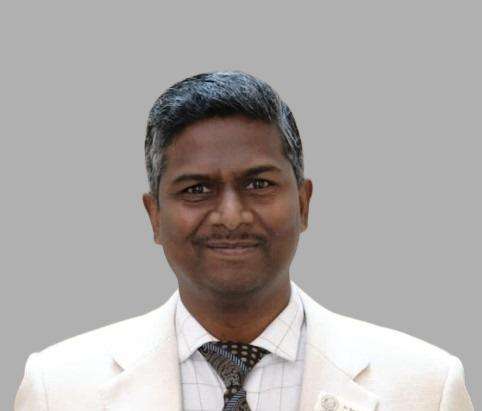
Dr. Sree Harsha N, M.Pharm, PhD — Chairman
Ready to Start Your Pharmacy Career?
B.Pharm Rs 70,000/yr • D.Pharm Rs 80,000 (2 yrs) • No NEET • PCI Approved