Pharmacy Career in India 2026: Jobs, Industry Growth, and Why This Sector Keeps Expanding
India is the world’s 3rd largest pharmaceutical producer by volume and exports medicines to over 200 countries. Behind this industry, trained pharmacists form the backbone — from drug development to patient safety. Here is a comprehensive look at careers in pharmacy today.
When students and parents think about pharmacy careers, the default mental image is often a pharmacist dispensing medicines at a chemist shop. The reality in 2026 is vastly different. Pharmacy is a multi-sector profession — spanning drug manufacturing, quality control, clinical research, regulatory affairs, hospital pharmacy, academia, and now the rapidly expanding health-tech and pharma-tech space.
India’s pharmaceutical industry is one of the country’s largest and most consistent growth stories. It survived the global recession, expanded through the pandemic, and continues to grow driven by generic exports, biosimilars, and rising domestic healthcare consumption.
The Scale of India’s Pharmaceutical Industry
India’s pharmaceutical sector is a globally significant industry:
Get the 2026-27 Admission Brochure
Fees, eligibility, placement details, campus photos — all in one PDF. WhatsApp us to get it instantly.
- Export value: India’s pharmaceutical exports exceeded Rs 2.3 lakh crore (approximately $27+ billion) in FY2024, making it one of the country’s largest export earners
- Global supplier: India is the largest global supplier of generic medicines by volume, supplying approximately 20% of global generics exports
- US market dominance: India accounts for about 40% of the generic drugs consumed in the United States — a market that is highly regulated and quality-conscious
- Manufacturing base: India has more FDA-approved pharmaceutical plants outside the US than any other country
- Domestic growth: India’s domestic pharmaceutical market is growing steadily, driven by rising healthcare access, insurance penetration, and the National Health Mission
- Emerging sectors: Biosimilars, contract research organisations (CROs), contract development and manufacturing organisations (CDMOs), and health-tech are adding new employment categories
Career Paths After B.Pharm: A Complete Map
Here are the primary career directions a B.Pharm graduate can pursue, with typical roles and sectors:
Pharmaceutical Production
Manufacturing pharmacist, production officer, shift supervisor roles at tablet, capsule, liquid, and injectable manufacturing plants.
Quality Control (QC)
Drug testing, instrumental analysis, in-process quality checks, raw material testing. Every pharma company must have a QC department.
Quality Assurance (QA)
GMP compliance, SOP management, documentation, regulatory audits, CAPA (Corrective and Preventive Action) management.
Regulatory Affairs
Preparing drug dossiers for Indian (CDSCO), US (FDA), and European (EMA) approval. A specialised, high-growth career path.
Research and Development (R&D)
Formulation development, analytical method development, process development, and new drug product development.
Clinical Research
Clinical Research Associate (CRA), Clinical Trial Coordinator roles at Contract Research Organisations (CROs) and pharmaceutical company clinical divisions.
Hospital and Clinical Pharmacy
Inpatient drug dispensing, clinical pharmacist roles (drug therapy monitoring, patient counselling), pharmacy department management in hospitals.
Community Pharmacy
Registered pharmacist at retail pharmacies, medical shop ownership/management, pharmaceutical counselling. Requires State Pharmacy Council registration.
Medical Representative / Pharma Marketing
Promotion of pharmaceutical products to doctors and hospitals. One of the highest-volume entry-level jobs for pharmacy graduates.
Pharmacovigilance
Post-market drug safety monitoring, adverse event reporting, signal detection. India is a growing hub for global pharmacovigilance operations.
Government Sector
Drug Inspector (Central/State Drug Services), CDSCO drug testing laboratory, PSU pharma companies (IDPL, HAL Pharma), ESIC, CGHS pharmacy roles.
Academia
Pharmacy college faculty after M.Pharm or PhD. India has 1,700+ pharmacy colleges requiring faculty — a stable teaching career path.
The AI and Tech Edge in Pharmacy Careers (2026 Onwards)
The new PCI B.Pharm 2026 syllabus adds a layer of technological competence that opens roles that did not previously exist for pharmacy graduates:
- Pharmaceutical Data Scientist: Applying Python and ML skills to manufacturing process data, QC datasets, and clinical data
- Regulatory Technology (RegTech) Specialist: Navigating AI-based tools in drug regulatory submissions
- AI Drug Discovery Associate: Supporting computational drug discovery teams at R&D centres
- Pharmacovigilance AI Analyst: Using ML for automated adverse event signal detection in large databases
- Health-Tech / Pharma-Tech Roles: Product roles at digital health startups where pharma domain + tech understanding is valued
How Pharmacy Graduates Progress in Their Careers
| Stage | Experience | Typical Roles | Sectors |
|---|---|---|---|
| Entry Level | 0–2 years (fresher) | Junior Production Officer, QC Analyst, Medical Representative, CRA (Trainee), Hospital Pharmacist | Manufacturing, Hospitals, CROs, Pharma Sales |
| Mid Level | 3–7 years | Senior QC/QA Officer, Regulatory Officer, Formulation Scientist, Clinical Research Associate, Senior Pharmacist | All sectors; growth in regulatory, R&D |
| Senior Level | 8–15 years | QA Manager, Regulatory Affairs Manager, R&D Group Leader, Plant Head (for smaller units), Hospital Chief Pharmacist | Industry leadership roles |
| Leadership | 15+ years | VP/Director Quality, Regulatory Director, R&D Head, Chief Pharmacy Officer (hospital) | Senior management at large pharma companies |
Why the Pharmaceutical Sector Keeps Growing
Several structural factors make pharmacy a consistently growing sector in India:
- Patent cliff opportunities: Many blockbuster drugs are going off-patent in 2024-2030, creating enormous demand for generic versions — India’s specialty
- Biosimilars growth: India is becoming a global hub for biosimilar development and manufacturing — a high-skill, high-value segment
- Rising domestic healthcare: India’s expanding middle class, Ayushman Bharat, and growing health insurance penetration are driving domestic pharmaceutical demand
- Global outsourcing: Western pharma companies increasingly outsource clinical research, manufacturing, and regulatory functions to Indian CROs and CDMOs
- Digital health integration: The convergence of healthcare and technology is creating entirely new roles for pharmacy professionals with tech skills
- Regulatory tightening: As Indian pharma tries to enter new markets, regulatory compliance expertise is becoming more critical — creating consistent demand for trained quality and regulatory professionals
Frequently Asked Questions
Start Your Pharmacy Career at Vidya Siri College of Pharmacy, Bangalore
PCI Approved | RGUHS Affiliated | Sarjapur Road, Bengaluru | B.Pharm Rs 70,000/year | D.Pharm Rs 80,000 total | No NEET
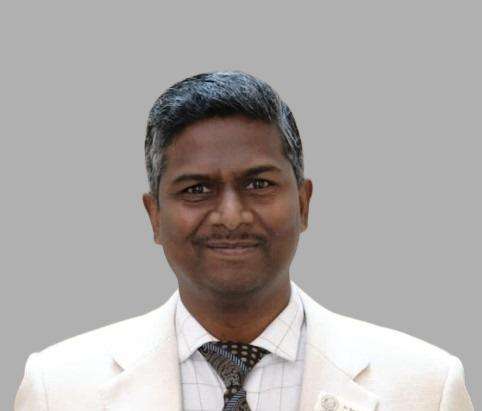
Dr. Sree Harsha N, M.Pharm, PhD — Chairman
Ready to Start Your Pharmacy Career?
B.Pharm Rs 70,000/yr • D.Pharm Rs 80,000 (2 yrs) • No NEET • PCI Approved