
B.Pharm vs B.Tech / Engineering / BCA: The New Tech Overlap in 2026
Feature-by-Feature Comparison
| Parameter | B.Pharm (New Syllabus) | B.Tech CS / IT / BCA |
|---|---|---|
| Duration | 4 years | 4 years (B.Tech) / 3 years (BCA) |
| Entrance Exam | Not required at many colleges | JEE Main/Advanced, KCET, State CET |
| Fee Range | Rs 2.8–5 Lakh total | Rs 4–16 Lakh total (B.Tech) |
| Programming | Python (pharmacy-focused) | C, C++, Java, Python, JS, etc. |
| Machine Learning | ✔ Applied to drug discovery, QSAR | ✔ General ML + Deep Learning |
| AI Applications | ✔ Pharmaceutical AI, clinical AI, AI ethics | ✔ Computer vision, NLP, robotics |
| Healthcare Domain | ✔ Pharmacology, chemistry, clinical pharmacy | ✘ No healthcare training |
| Clinical Exposure | ✔ 8 credits internship | ✘ No clinical component |
| Research Project | ✔ 12 credits (2 semesters) | ○ Capstone in final semester |
| Professional Licence | ✔ PCI registration | ✘ None required |
| Starting Salary | Rs 2.5–4.5 LPA | Rs 3.5–8 LPA (CS); Rs 2–4 LPA (other branches) |
| Industry Sectors | Pharma, hospitals, R&D, regulatory, drug safety | IT/software, product companies, startups |
Where B.Pharm Has the Edge Over Engineering
Pharma + Tech Hybrid
Pharmaceutical data analyst roles need both domain and coding. B.Pharm graduates have both; CS graduates lack pharma domain knowledge.
Regulated Profession
PCI registration allows pharmacy practice, drug dispensing, and entrepreneurship. No engineering degree provides a healthcare licence.
Clinical + Industry
B.Pharm spans hospital, industry, and regulatory work. Engineering locks you into the IT/software sector unless you pivot.
Lower Investment
B.Pharm (Rs 2.8–5L) costs significantly less than B.Tech (Rs 4–16L). No JEE/KCET stress either.
Get the 2026-27 Admission Brochure
Fees, eligibility, placement details, campus photos — all in one PDF. WhatsApp us to get it instantly.
Where Engineering Has the Edge
To be fair, B.Tech CS/IT offers deeper programming, higher starting salaries in the software industry, and broader tech career options. If your goal is to become a software engineer, data scientist, or product manager at an IT company, engineering remains the direct path.
However, if you are interested in healthcare, pharmaceutical sciences, or the intersection of medicine and technology — the new B.Pharm syllabus provides a faster, more affordable route with a unique skill combination.
The Emerging “Pharma Tech” Career Space
| Role | What It Needs | B.Pharm Advantage |
|---|---|---|
| Pharmaceutical Data Analyst | Python + biostatistics + pharma domain | All three in the new syllabus |
| Drug Discovery ML Engineer | ML + chemistry + pharmacology | ML (Sem III) + pharma core subjects |
| Clinical Informatics Specialist | Clinical knowledge + data systems | Clinical internship + AI in clinical applications |
| Pharmacovigilance Data Specialist | Drug safety + database management | PV subject + Python + analytics |
| Regulatory Technology Analyst | RA knowledge + data skills | RA subject + IPR + Python |
👉 Back to All Course Comparisons • See Full New Syllabus
FAQ: B.Pharm vs Engineering
Can B.Pharm graduates get IT/tech jobs?
Not pure software engineering roles. But pharmaceutical data analyst, clinical informatics, drug discovery ML, and regulatory tech roles specifically require the pharma + tech combination that B.Pharm now provides. These roles are typically in pharma companies, CROs, and health-tech firms.
Is B.Pharm easier to get into than B.Tech?
Yes. B.Tech requires JEE/KCET with intense competition. B.Pharm at many colleges (including VSCP Bangalore) offers direct merit-based admission from 12th marks without any entrance exam.
Which has a higher salary — B.Pharm or B.Tech?
B.Tech CS/IT has higher average starting salaries (Rs 3.5–8 LPA vs Rs 2.5–4.5 LPA). However, B.Tech in non-CS branches (Mechanical, Civil, etc.) often pays comparable to B.Pharm. The pharma-tech hybrid roles are closing this gap as demand grows.
Explore B.Pharm at Vidya Siri College of Pharmacy, Bangalore
PCI Approved • RGUHS Affiliated • Direct Merit Admission • Year 1 Fee: Rs 70,000
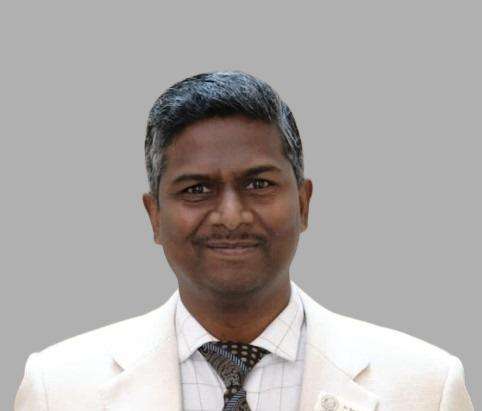
Dr. Sree Harsha N, M.Pharm, PhD — Chairman
Ready to Start Your Pharmacy Career?
B.Pharm Rs 70,000/yr • D.Pharm Rs 80,000 (2 yrs) • No NEET • PCI Approved