
TL;DR: Community pharmacy is the most accessible pharmacy career path in India, with over 8.5 lakh retail pharmacies nationwide. Beyond dispensing medicines, community pharmacists increasingly provide health screening, chronic disease management, and patient counselling services — creating a career that combines healthcare impact with entrepreneurial opportunity.
What Is Community Pharmacy?
Community pharmacy refers to retail pharmacy practice where pharmacists interact directly with the public. These are the neighbourhood medical stores, standalone pharmacies, and chain outlets where patients purchase prescription and OTC medicines.
In India, community pharmacy is evolving from simple medicine dispensing to a more comprehensive healthcare service. Community pharmacists are often the first point of contact for patients — before they visit a doctor or hospital.
For B.Pharm and D.Pharm graduates, community pharmacy offers both employment and entrepreneurship opportunities with relatively lower entry barriers compared to other healthcare professions.
Get the 2026-27 Admission Brochure
Fees, eligibility, placement details, campus photos — all in one PDF. WhatsApp us to get it instantly.
Current State of Community Pharmacy in India
India has over 8.5 lakh registered retail pharmacies, making it one of the largest pharmacy networks in the world. However, the quality and scope of services vary significantly:
- Most pharmacies focus primarily on dispensing rather than clinical services
- Patient counselling is limited in many retail settings
- The pharmacist’s clinical role is underutilized compared to countries like the US, UK, and Australia
- Chain pharmacies (Apollo, MedPlus, Wellness Forever) are gradually introducing standardized services
This gap between current practice and potential creates significant opportunity for pharmacy graduates who want to elevate the profession.
Community Pharmacy vs Hospital Pharmacy — Comparison
| Parameter | Community Pharmacy | Hospital Pharmacy |
|---|---|---|
| Work Setting | Retail store, standalone or chain | Hospital or healthcare facility |
| Patient Interaction | Direct, high volume daily | Limited to inpatients and outpatients |
| Primary Role | Dispensing, OTC advice, health screening | Drug distribution, clinical pharmacy services |
| Business Ownership | Can own your own pharmacy | Employment-based typically |
| Salary Range (Fresher) | Rs 2-4 lakh per annum (employed) | Rs 2.5-5 lakh per annum |
| Entrepreneurship Scope | High — own store with drug license | Limited |
| Working Hours | Extended, often 10-12 hours | Shift-based, structured |
| Clinical Depth | OTC counselling, basic screening | Drug therapy management, ward rounds |
For a detailed comparison of these two paths, see our guide on hospital pharmacy vs retail pharmacy careers.
Services Offered in Modern Community Pharmacies
Progressive community pharmacies in India and globally offer services beyond dispensing:
Medication Dispensing and Counselling
The core function — dispensing prescription medicines with proper counselling on dosage, timing, food interactions, and storage. In India, this remains the primary revenue source for community pharmacies.
Health Screening Services
Blood pressure monitoring, blood glucose testing, BMI calculation, and basic health assessments. Some pharmacies in metro cities have started offering point-of-care testing for cholesterol and HbA1c.
Chronic Disease Management
Helping patients with diabetes, hypertension, and asthma manage their medications through adherence counselling, refill reminders, and monitoring.
Immunization Services
In several countries, pharmacists administer vaccines. India is moving toward allowing trained pharmacists to provide immunization services, which would significantly expand the community pharmacist’s role.
OTC Medication Advice
Recommending appropriate OTC products for minor ailments — cold, cough, acidity, minor pain — while identifying situations that require physician referral.
Career Paths in Community Pharmacy
1. Employed Community Pharmacist
Working at chain pharmacies like Apollo Pharmacy, MedPlus, Wellness Forever, or independent stores. This is the most common entry point for fresh graduates.
Starting salary: Rs 15,000-25,000 per month
Growth: Store manager, area manager, regional pharmacy manager in chain operations
2. Own Retail Pharmacy
Entrepreneurial graduates can open their own pharmacy after obtaining a drug store license. This requires an initial investment of Rs 5-15 lakh depending on location and inventory.
Income potential: Rs 30,000-1,00,000+ per month depending on location and volume
3. Pharmacy Chain Management
Pharmacy chains need graduates for operations management, training, compliance auditing, and expansion planning. These corporate roles offer better salaries than store-level positions.
Salary range: Rs 4-10 lakh per annum
4. Pharmaceutical Marketing Representative
Community pharmacy experience provides excellent training for pharmaceutical marketing careers since you understand both the products and the retail environment.
Regulatory Requirements for Community Pharmacy Practice
To practice as a community pharmacist in India, you need:
- Qualification: B.Pharm or D.Pharm from a PCI-approved college
- Registration: State Pharmacy Council registration (see the Karnataka pharmacist registration process)
- For Own Store: Drug license from the State Drug Controller under the Drugs and Cosmetics Act
- Compliance: Schedule H and H1 drug dispensing regulations, proper record-keeping
Challenges and Opportunities
Challenges
- Low public perception of pharmacist’s clinical role
- Competition from e-pharmacy platforms offering discounts
- Long working hours in retail settings
- Regulatory enforcement inconsistencies across states
- Pressure to sell rather than counsel in commercial pharmacy settings
Opportunities
- Growing chronic disease burden increases demand for medication management
- Pharmacy practice regulations evolving to recognize pharmacist clinical services
- Chain pharmacy expansion creating structured career paths
- PharmD program graduates bringing clinical skills to community settings
- Government health programs requiring community-level pharmaceutical care
Global Models India Can Learn From
Countries with advanced community pharmacy practice offer a glimpse of where India is heading:
- UK (NHS): Community pharmacists provide vaccination, smoking cessation, and minor illness services under NHS contracts
- Australia: Pharmacists conduct medication reviews (MedsCheck) funded by the government
- USA: Pharmacists in many states can prescribe certain medications independently
- Canada: Pharmacists perform drug therapy management and administer vaccines
India’s pharmacy education system, including the PharmD (Doctor of Pharmacy) program, is gradually preparing graduates for these expanded roles.
How to Excel in Community Pharmacy Practice
- Build Communication Skills: Patient counselling effectiveness depends on clear, empathetic communication
- Stay Updated: New drug launches, drug safety alerts, and regulatory changes affect daily practice
- Learn Business Basics: Inventory management, accounting, and customer service skills are essential for pharmacy owners
- Get Practical Experience: During your pharmacy education, seek community pharmacy placements through your internship program
- Consider Specialization: Focus areas like diabetes care, respiratory care, or dermatology counselling can differentiate your practice
Conclusion
Community pharmacy in India is at a turning point. The traditional model of medicine dispensing is gradually evolving toward patient-centered pharmaceutical care. For pharmacy graduates, this evolution creates opportunities to build meaningful healthcare careers — whether as employed pharmacists in chain operations or as independent pharmacy owners serving their communities.
The pharmacists who combine clinical knowledge with business acumen and patient communication skills will define the future of community pharmacy practice in India.
Frequently Asked Questions
What is the difference between community pharmacy and clinical pharmacy?
Community pharmacy operates in retail settings serving walk-in patients. Clinical pharmacy focuses on optimizing drug therapy within hospital settings, often involving ward rounds and direct collaboration with physicians.
Can D.Pharm graduates open their own pharmacy?
Yes. D.Pharm graduates with state pharmacy council registration can obtain a drug license and open a retail pharmacy in India.
What is the investment needed to open a pharmacy store?
A basic community pharmacy requires Rs 5-15 lakh investment covering drug license fees, initial inventory, fixtures, and rent deposit. Location significantly affects costs.
Is community pharmacy a good career for women?
Community pharmacy offers flexible working arrangements and the option to run your own store with controlled hours, making it a viable career choice regardless of gender.
How is e-pharmacy affecting community pharmacies?
E-pharmacy competes on price and convenience for chronic medication refills. However, community pharmacies retain advantages in emergency dispensing, OTC counselling, and personal patient relationships.
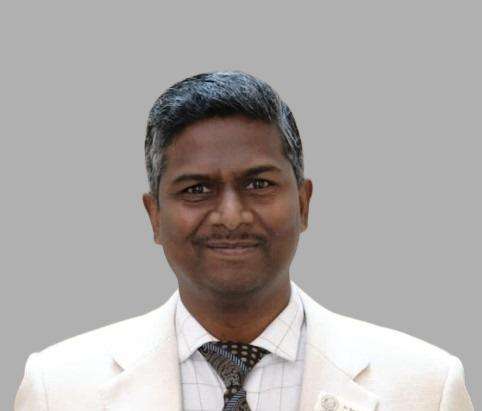
Dr. Sree Harsha N, M.Pharm, PhD — Chairman
Ready to Start Your Pharmacy Career?
B.Pharm Rs 70,000/yr • D.Pharm Rs 80,000 (2 yrs) • No NEET • PCI Approved