Pharmacy is one of the most practical career options after 12th for students with PCB or PCM subjects. Unlike MBBS which requires NEET qualification and intense competition, pharmacy courses offer direct admission in many colleges with strong employment prospects. This guide covers every pharmacy course available after 12th, eligibility requirements, fee ranges, and career paths.
Pharmacy Courses Available After 12th
| Course | Duration | Eligibility | Fee Range (Annual) | Career Outcome |
|---|---|---|---|---|
| D.Pharm (Diploma in Pharmacy) | 2 years | 12th with PCB/PCM, 40-50% | Rs 30,000 – Rs 1,00,000 | Licensed pharmacist, own medical shop |
| B.Pharm (Bachelor of Pharmacy) | 4 years | 12th with PCB/PCM, 45-50% | Rs 50,000 – Rs 2,50,000 | Pharma industry, research, hospital, regulatory |
| Pharm.D (Doctor of Pharmacy) | 6 years | 12th with PCB/PCM, 50%+ | Rs 1,00,000 – Rs 3,00,000 | Clinical pharmacist, patient care, hospitals |
| B.Sc Pharmaceutical Chemistry | 3 years | 12th with PCM, 50% | Rs 30,000 – Rs 80,000 | Quality control, manufacturing |
D.Pharm (Diploma in Pharmacy) — 2 Years
The Diploma in Pharmacy is the shortest professional pharmacy course and the minimum qualification needed to register as a licensed pharmacist in India.
Who should choose D.Pharm?
- Students who want to start earning within 2 years after 12th
- Those who want to open their own pharmacy/medical shop
- Students with limited budget for education
- Those who want a clear, practical career without extended study
D.Pharm Career Options
- Community Pharmacist: Run or manage a retail pharmacy (medical shop)
- Hospital Pharmacist: Dispense medicines in hospitals (Rs 15,000-25,000/month starting)
- Pharmaceutical Company: Production, quality control, packing departments
- Medical Representative: Sales role for pharma companies (Rs 18,000-30,000/month + incentives)
- Further Studies: Eligible for B.Pharm Lateral Entry (direct 2nd year admission)
B.Pharm (Bachelor of Pharmacy) — 4 Years
B.Pharm is the standard undergraduate degree in pharmacy, offering broader career opportunities than D.Pharm across research, industry, regulatory affairs, and clinical practice.
Who should choose B.Pharm?
- Students who want careers in pharmaceutical research, quality assurance, or drug development
- Those planning to pursue M.Pharm or MBA later
- Students interested in regulatory affairs, pharmacovigilance, or clinical research
- Those who want eligibility for government pharmacist posts (GPAT, Drug Inspector exams)
B.Pharm Career Options
- Pharmaceutical Industry: R&D, manufacturing, quality control, quality assurance (Rs 3-6 LPA starting)
- Hospital Pharmacy: Clinical pharmacist, drug information specialist
- Regulatory Affairs: Drug approval documentation, compliance (Rs 4-7 LPA)
- Clinical Research: CRA, CRC roles in CROs (Rs 3.5-6 LPA)
- Government Jobs: Drug Inspector, Pharmacist in govt hospitals (via competitive exams)
- Marketing: Medical representative, area sales manager (Rs 3-5 LPA + incentives)
- Higher Studies: M.Pharm, MBA (Pharma), PhD, MS abroad
Pharm.D (Doctor of Pharmacy) — 6 Years
Pharm.D is a clinical-oriented programme focused on patient care, drug therapy management, and hospital practice. It involves 5 years of study plus 1 year of internship (clerkship) in a hospital.
Get the 2026-27 Admission Brochure
Fees, eligibility, placement details, campus photos — all in one PDF. WhatsApp us to get it instantly.
Who should choose Pharm.D?
- Students interested in clinical practice alongside doctors
- Those who want to work in hospital settings advising on drug therapy
- Students considering careers abroad (Pharm.D is recognized internationally)
- Those who want a doctorate-level qualification without NEET
Eligibility for Pharmacy Courses After 12th
Subjects Required
- PCB students (Physics, Chemistry, Biology): Eligible for all pharmacy courses
- PCM students (Physics, Chemistry, Mathematics): Eligible for B.Pharm and D.Pharm (varies by state/university)
- Arts/Commerce students: Not eligible for professional pharmacy courses
Minimum Marks
- General category: 45-50% aggregate in PCB/PCM
- Reserved categories (SC/ST/OBC): 40% aggregate in most states
- Age requirement: Minimum 17 years as on 31st December of admission year
Is NEET Required?
No. NEET is NOT required for pharmacy courses (B.Pharm, D.Pharm, or Pharm.D). Pharmacy admissions in India are based on state-level entrance exams (like KCET in Karnataka, MHT-CET in Maharashtra) or direct merit admission in private colleges. This makes pharmacy an accessible option for students who do not want to take NEET.
Admission Process — How to Get Into Pharmacy College
Route 1: State Entrance Exam (KCET, MHT-CET, etc.)
Most government and top private colleges allocate seats through state CET counselling. In Karnataka, KCET is the main entrance exam for B.Pharm admission in colleges affiliated with RGUHS.
Route 2: Direct Merit Admission
Many private PCI-approved colleges offer direct admission based on 12th standard marks without any entrance exam. This is ideal for students who:
- Did not appear for KCET or any state exam
- Are from other states and don’t have a Karnataka CET score
- Want immediate confirmation of admission without waiting for counselling rounds
Fee Comparison Across Pharmacy Courses
| Course | Government College | Private (Affordable) | Private (Premium) |
|---|---|---|---|
| D.Pharm (2 years total) | Rs 28,000 – 60,000 | Rs 80,000 – 1,00,000/year | Rs 1,00,000 – 1,50,000/year |
| B.Pharm (4 years total) | Rs 56,000 – 1,00,000 | Rs 70,000 – 1,20,000/year | Rs 1,50,000 – 2,50,000/year |
| Pharm.D (6 years total) | Rs 1,00,000 – 2,00,000 | Rs 1,00,000 – 1,80,000/year | Rs 2,00,000 – 3,50,000/year |
Pharmacy Career Salary Guide
| Role | Starting Salary | After 5 Years | Qualification Needed |
|---|---|---|---|
| Retail Pharmacist | Rs 15,000 – 25,000/month | Rs 30,000 – 50,000/month | D.Pharm minimum |
| Hospital Pharmacist | Rs 20,000 – 35,000/month | Rs 40,000 – 60,000/month | B.Pharm preferred |
| Medical Representative | Rs 18,000 – 30,000 + incentives | Rs 50,000 – 80,000/month | B.Pharm / D.Pharm |
| Quality Control Analyst | Rs 20,000 – 35,000/month | Rs 50,000 – 80,000/month | B.Pharm |
| Drug Inspector (Govt) | Rs 35,000 – 50,000/month | Rs 60,000 – 1,00,000/month | B.Pharm + exam |
| Clinical Research Associate | Rs 25,000 – 40,000/month | Rs 60,000 – 1,20,000/month | B.Pharm / M.Pharm |
| Own Pharmacy Shop | Rs 30,000 – 80,000/month (profit) | Rs 1,00,000+ /month | D.Pharm minimum |
Frequently Asked Questions
Which pharmacy course is best after 12th?
If you want to start working quickly, choose D.Pharm (2 years). If you want broader career options and eligibility for higher studies, choose B.Pharm (4 years). If you want to work as a clinical pharmacist in hospitals, choose Pharm.D (6 years). All three are valid professional courses with good employment.
Can PCM students do pharmacy?
Yes. Students with Physics, Chemistry, and Mathematics (PCM) in 12th are eligible for B.Pharm and D.Pharm admission in most states including Karnataka. Biology is not mandatory for pharmacy courses.
Is pharmacy a good career in India?
Yes. India’s pharmaceutical industry is the 3rd largest in the world by volume. There is consistent demand for pharmacists in hospitals, retail pharmacies, manufacturing, research, and regulatory roles. The profession offers stable employment with growth potential, especially in areas like clinical research, pharmacovigilance, and regulatory affairs.
Related: Pharmacy After 12th Without NEET | D.Pharm vs B.Pharm | Career Options After 12th PCB | Top 10 B.Pharm Colleges in Bangalore
Ready to Start Your Pharmacy Career?
Vidya Siri College of Pharmacy — PCI Approved | RGUHS Affiliated | Sarjapur Road, Bangalore
Admissions open for 2026-27 session. B.Pharm (Rs 70,000/year) and D.Pharm (Rs 80,000 (2-year total)) with direct merit-based admission. No entrance exam required.
Walk-in counselling available Monday to Saturday, 9 AM to 5 PM at our Sarjapur Road campus.
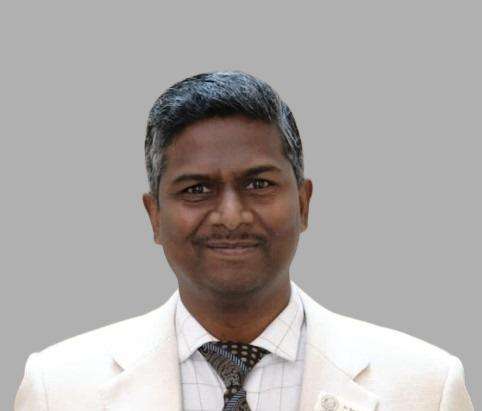
Dr. Sree Harsha N, M.Pharm, PhD — Chairman
Ready to Start Your Pharmacy Career?
B.Pharm Rs 70,000/yr • D.Pharm Rs 80,000 (2 yrs) • No NEET • PCI Approved