
Can D.Pharm Graduates Open a Medical Store?
Yes. A D.Pharm degree with valid pharmacist registration is the minimum qualification required to obtain a drug licence and open a retail pharmacy (medical store) in India. This is one of the most attractive aspects of the D.Pharm course — it provides a clear path to self-employment and business ownership.
Requirements to Open a Medical Store
| Requirement | Details |
|---|---|
| Educational Qualification | D.Pharm or B.Pharm from PCI-approved college |
| Pharmacist Registration | Valid registration with State Pharmacy Council (KSPC in Karnataka) |
| Experience | 1 year experience in a licensed pharmacy (required by most states) |
| Drug Licence | Retail Drug Licence from State Drug Control Authority |
| Shop Premises | Minimum 10 sq. metres with proper storage conditions |
| GST Registration | Mandatory for all businesses |
Step-by-Step Process to Open a Medical Store
Step 1: Complete D.Pharm and Get Registered
Complete your D.Pharm programme from a PCI-approved college and register with your State Pharmacy Council. In Karnataka, register with KSPC (see our KSPC registration guide).
Step 2: Gain Required Experience
Work in a licensed pharmacy for at least 1 year. This experience is required when applying for a drug licence and also gives you practical knowledge of inventory management, prescription handling, and customer interaction.
Step 3: Find a Suitable Location
Location is critical for a pharmacy business. Consider these factors:
Get the 2026-27 Admission Brochure
Fees, eligibility, placement details, campus photos — all in one PDF. WhatsApp us to get it instantly.
- Near hospitals or clinics: Prescription-driven footfall is the most reliable revenue source
- Residential area with high density: OTC medicine demand is consistent
- Visibility and accessibility: Ground floor, main road, easy parking
- Competition radius: Check how many existing pharmacies are within 500 metres
- Minimum space: 10 sq. metres (approximately 100 sq. feet) is the legal minimum, but 150-200 sq. feet is practical
Step 4: Apply for Drug Licence
Apply for a Retail Drug Licence through the State Drug Control Department. In Karnataka, this is the Department of Drug Control under the Directorate of AYUSH and Drug Control.
Two types of licences needed:
- Drug Licence (Form 20/21): For selling allopathic medicines under Schedule C, C1, and Schedule H drugs
- Drug Licence (Form 20B/21B): For selling Schedule X drugs (narcotics and controlled substances) — optional but needed for complete pharmacy operations
Step 5: Documents Required for Drug Licence
- Application form (Form 19/19A)
- D.Pharm or B.Pharm degree certificate
- Pharmacist registration certificate from KSPC
- Experience certificate (1 year in a licensed pharmacy)
- Affidavit on stamp paper (as per prescribed format)
- Premises blueprint / layout plan
- Rent agreement or ownership proof of the shop
- Partnership deed (if applicable)
- Passport-size photographs
- Aadhaar card of the applicant
- Licence fee (approximately Rs 3,000-5,000)
Step 6: Premises Inspection
After submitting the application, a Drug Inspector will visit your premises for inspection. The inspector will check:
- Adequate storage space with proper shelving
- Refrigerator for temperature-sensitive medicines
- Clean and dry storage conditions
- Separate storage for Schedule H and Schedule X drugs
- Pest control measures
- Proper ventilation and lighting
- Drug register and prescription records system
Step 7: Get GST Registration and Shop Licence
Register for GST (mandatory for all businesses). Also obtain a Trade Licence / Shop and Establishment Licence from your local municipal authority. A Signboard Licence from the local body may also be required.
Step 8: Set Up and Stock the Store
Purchase initial stock from pharmaceutical distributors. Start with commonly prescribed medicines and gradually expand based on local prescription patterns.
Investment Required to Open a Medical Store
| Expense | Estimated Cost |
|---|---|
| Shop rent (security + 3 months advance) | Rs 50,000 – Rs 2,00,000 |
| Interior and shelving | Rs 1,00,000 – Rs 2,50,000 |
| Refrigerator | Rs 15,000 – Rs 25,000 |
| Computer + billing software | Rs 30,000 – Rs 50,000 |
| Initial medicine stock | Rs 2,00,000 – Rs 5,00,000 |
| Drug licence and registration fees | Rs 5,000 – Rs 10,000 |
| Signage and branding | Rs 10,000 – Rs 30,000 |
| Total | Rs 4,00,000 – Rs 10,00,000 |
Investment varies significantly based on city and location. A pharmacy near a hospital in Bangalore will require more investment than one in a small town.
Expected Monthly Income from a Medical Store
| Type of Location | Monthly Revenue | Estimated Profit (after expenses) |
|---|---|---|
| Near hospital (urban) | Rs 2,00,000 – Rs 5,00,000 | Rs 40,000 – Rs 1,00,000 |
| Residential area (urban) | Rs 1,00,000 – Rs 2,50,000 | Rs 25,000 – Rs 60,000 |
| Semi-urban / town | Rs 60,000 – Rs 1,50,000 | Rs 15,000 – Rs 40,000 |
| Rural area | Rs 30,000 – Rs 80,000 | Rs 10,000 – Rs 25,000 |
Profit margins on medicines typically range from 15-25% on branded medicines and up to 50-70% on generic medicines. Revenue and profit stabilise after 6-12 months of operation.
Common Challenges and How to Handle Them
- Competition from online pharmacies: Focus on prescription medicines, build relationships with nearby doctors, offer home delivery
- Credit sales: Limit credit to trusted customers, maintain a digital record of all credit transactions
- Expiry management: Use billing software with expiry alerts, maintain FEFO (First Expiry First Out) system
- Regulatory compliance: Keep drug register updated, maintain Schedule H records, cooperate with Drug Inspector visits
- Initial slow period: First 3-6 months may have low footfall — build relationships with local doctors and clinics during this time
Frequently Asked Questions
How long does it take to get a drug licence?
The drug licence process takes 30-60 days from application submission, including premises inspection. In some states, it may take up to 90 days.
Can I open a medical store without experience?
Most state drug control authorities require 1 year of experience in a licensed pharmacy. Some states may accept experience gained during D.Pharm practical training. Check your state’s specific requirements.
Can I hire another pharmacist to run my store?
Yes. As the drug licence holder, you can employ a registered pharmacist to manage daily operations. However, you remain legally responsible for compliance. The employed pharmacist must be present during operating hours.
Start Your Pharmacy Journey
Opening your own medical store starts with a quality pharmacy education. D.Pharm at Vidya Siri College of Pharmacy, Bangalore, includes practical training in community pharmacy that prepares you for running your own pharmacy business. PCI approved, RGUHS affiliated, Year 1 fee Rs 70,000.
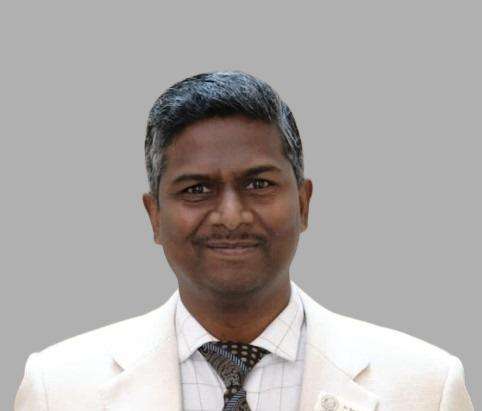
Dr. Sree Harsha N, M.Pharm, PhD — Chairman
Ready to Start Your Pharmacy Career?
B.Pharm Rs 70,000/yr • D.Pharm Rs 80,000 (2 yrs) • No NEET • PCI Approved